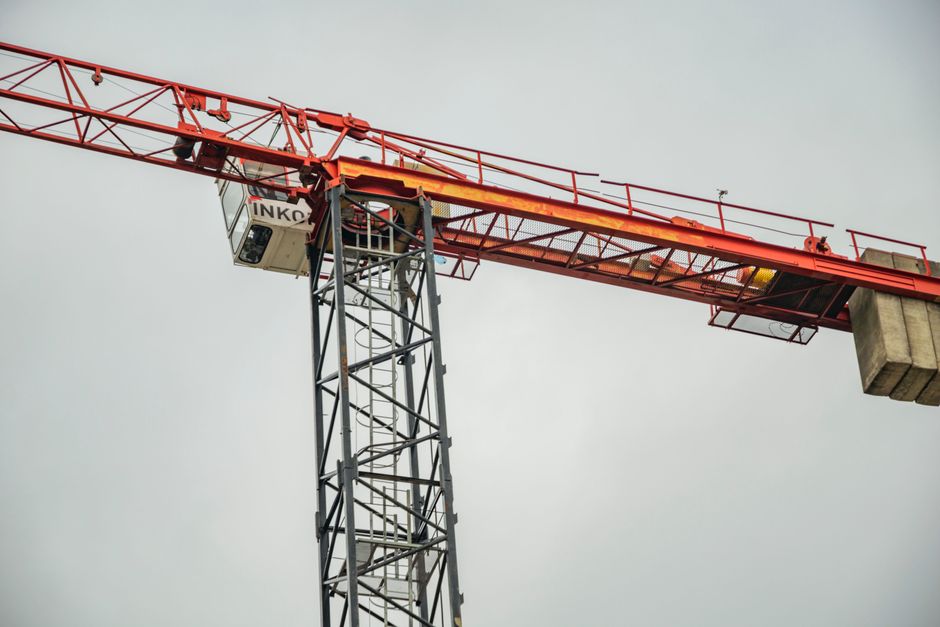
Hydraulic vs. Mechanical Crawler Cranes: A History of Innovation
The crawler crane industry has undergone remarkable technological evolution, particularly in power transmission systems. From purely mechanical designs relying on clutches, gears, and cables to sophisticated hydraulic systems with electronic controls, the shift has transformed how lattice boom crawler cranes operate, their efficiency, safety, and capabilities.
This historical overview compares mechanical and hydraulic crawler cranes, traces their development, and explains why modern machines overwhelmingly favor hydraulic technology while still honoring the legacy of mechanical designs.
The Mechanical Era: Foundations of Crawler Crane Technology (1920s–1960s)
Early crawler cranes were entirely mechanical. Manufacturers like Manitowoc, Link-Belt, and Bucyrus-Erie dominated this period with machines powered by diesel or gasoline engines connected through complex gear trains, clutches, and drum winches.
Key Characteristics of Mechanical Crawler Cranes:
- Power transmitted via shafts, gears, and friction clutches
- Operator skill heavily relied on “feathering” clutches for smooth control
- Simple but robust construction
- Excellent feel and feedback for experienced operators
- High maintenance requirements due to numerous moving parts
These machines excelled in reliability for their time. Many mechanical crawler cranes from the 1950s and 1960s are still operating today on smaller projects or as yard cranes, testament to their durable engineering.
Limitations:
- Slower and less precise control
- Higher operator fatigue
- Limited fine metering for delicate lifts
- Greater wear on components during frequent operations
The Hydraulic Revolution (1970s–1990s)
The introduction of hydraulic systems marked a turning point in crawler crane development. Manufacturers like Liebherr, Demag (now Tadano), and later Asian producers embraced hydraulics for winches, boom hoist, swing, and propel functions.
Advantages That Drove Adoption:
- Infinitely variable speed control through proportional valves
- Much smoother operation and better load precision
- Reduced number of mechanical wear parts
- Easier integration of safety systems (load moment indicators)
- Improved operator comfort and productivity
Hydraulic crawler cranes allowed operators to perform more delicate and complex lifts with greater confidence. The technology also enabled longer booms and higher capacities by providing better power distribution.
Modern Hybrid Systems: The Best of Both Worlds (2000s–Present)
Today’s advanced crawler cranes use sophisticated electro-hydraulic systems. Modern machines blend hydraulic power with electronic controls, creating highly responsive and safe operation.
Current State-of-the-Art Features:
- Load-sensing hydraulic systems that adjust flow based on demand
- Electronic joysticks with programmable response curves
- Integrated safety computers that monitor and limit operations
- Remote monitoring and diagnostic capabilities
- Energy-efficient designs that reduce fuel consumption
While purely mechanical cranes have largely disappeared from new production (except in niche or budget markets), their influence remains in the fundamental engineering principles still used today.
Direct Comparison: Hydraulic vs. Mechanical
| Aspect | Mechanical Crawler Cranes | Hydraulic Crawler Cranes |
|—————————|————————————|——————————————-|
| Control Precision | Good (with skilled operator) | Excellent |
| Operator Fatigue | Higher | Lower |
| Maintenance | High (many wear parts) | Moderate (seals, filters) |
| Fine Load Control | Limited | Superior |
| Initial Cost | Generally lower | Higher |
| Reliability in Extreme Conditions | Very high | High (with proper maintenance) |
| Modern Safety Integration | Limited | Excellent |
Why Hydraulic Systems Dominated
1. Safety Improvements — Modern hydraulic cranes integrate multiple layers of electronic protection.
2. Productivity Gains — Faster cycle times and smoother operation increase daily output.
3. Operator Demographics — Newer generations of operators prefer the reduced physical effort of hydraulic controls.
4. Regulatory Requirements — Modern safety standards are easier to meet with hydraulic + electronic systems.
5. Versatility — Hydraulics enable more attachment options and complex configurations like luffing jibs.
The Legacy of Mechanical Cranes
Despite being largely phased out in new machines, mechanical crawler cranes taught valuable lessons in simplicity, durability, and operator feel. Many veteran operators still appreciate the direct connection mechanical systems provided, and some training programs reference older mechanical designs to build fundamental understanding.
Future Innovations
Current development trends include:
- Hybrid diesel-electric systems for better efficiency
- Electro-hydraulic controls with AI assistance
- Remote and semi-autonomous operation capabilities
- Further improvements in energy recovery during lowering operations
Conclusion
The transition from mechanical to hydraulic crawler cranes represents one of the most significant innovations in heavy lifting history. While mechanical systems built the foundation of the industry with their simplicity and robustness, hydraulic technology has elevated performance, safety, and productivity to levels that would have seemed impossible decades ago.
For today’s operators and contractors, understanding this evolution provides valuable context when choosing equipment, training new personnel, or optimizing lifting operations. The best modern crawler cranes successfully combine the reliability lessons of the mechanical era with the precision, efficiency, and safety of advanced hydraulic systems.
Whether you operate a classic mechanical machine on a smaller project or command one of today’s sophisticated hydraulic lattice boom crawler cranes on a mega-project, appreciating how these systems evolved helps every professional perform their role with greater skill and respect for the remarkable engineering behind these powerful machines.
The history of crawler crane innovation is ultimately a story of continuous improvement — making heavy lifts safer, faster, and more efficient with each technological leap.
*Word count: 1,142*
Keywords/Tags: Markdown 複製 hydraulic vs mechanical crawler crane, crawler crane history, lattice boom crane evolution, mechanical crawler crane advantages, hydraulic crawler crane technology, crawler crane innovation timeline, modern hydraulic crawler cranes, Liebherr hydraulic crane, Manitowoc mechanical history, crawler crane power systems