The Impact of Accelerations and Decelerations on Hoist Loads
In lifting operations, many riggers and operators focus primarily on the static weight of the load. However, the real forces experienced by hoists, slings, shackles, and cranes are often much higher due to accelerations and decelerations. These dynamic movements create peak loads that can exceed the static weight by 20% to over 100%, dramatically increasing the risk of overload, equipment failure, and dropped loads.
Understanding and properly accounting for acceleration and deceleration effects is essential for safe, compliant, and efficient lifting in Australia. This article explains the physics involved, the practical impacts on hoist loads, and how professional teams manage these dynamic forces.
The Physics of Dynamic Loading
When a hoist starts or stops a load, it must overcome inertia. According to Newton’s second law (F = m × a), any change in velocity creates additional force.
Acceleration (Speeding Up)
The hoist must apply extra force to increase the load’s velocity upward.
This creates a temporary increase in tension throughout the rigging system.
Deceleration (Slowing Down or Stopping)
The system must absorb the momentum of the moving load.
Sudden deceleration can generate very high peak forces, often the most dangerous phase of a lift.
Dynamic Amplification Factor (DAF) is the multiplier used to account for these effects. Typical values range from 1.1 (smooth, slow operation) to 2.0 or higher for fast or jerky movements.
Why Accelerations and Decelerations Matter So Much
1. Increased Tension in Rigging
A 10-tonne load accelerated at a moderate rate can momentarily impose 12–15 tonnes of force on the hoist rope and upper rigging. Deceleration forces can be even higher.
2. Shock Loading Risk
Sudden stops (e.g., emergency braking or hitting the upper limit switch) create shock loads that can exceed the design limits of slings, shackles, and hoist components.
3. Crane and Structure Stress
Dynamic forces are transmitted to the crane boom, structure, and foundation, potentially affecting stability and long-term fatigue life.
4. Load Damage
Sensitive equipment (transformers, generators, precision machinery) can suffer internal damage from sudden acceleration or deceleration even if the rigging holds.
5. Operator and Team Safety
Uncontrolled dynamic movements increase swinging, making the load harder to control and raising the risk to personnel below.
Australian Standards and Regulatory Expectations
Standards such as AS 1418 (Cranes, Hoists and Winches) and AS 2550 require consideration of dynamic effects in lifting operations. Safe Work Method Statements (SWMS) for high-risk lifts must address acceleration, deceleration, and speed control. Regulators expect operators to use smooth, controlled movements and to apply appropriate safety factors.
Practical Strategies to Manage Dynamic Forces
1. Use Variable Speed Controls
Modern hoists and cranes with frequency inverters allow smooth ramp-up and ramp-down of speed, significantly reducing peak dynamic forces.
2. Apply Conservative Dynamic Factors in Planning
Routine lifts: 1.1 – 1.3
Faster or critical lifts: 1.5 – 2.0+
Always document the factor used in the lift plan
3. Train Operators on Smooth Technique
Gradual acceleration and deceleration
Avoiding sudden stops or reversals
Maintaining consistent speeds during travel
4. Select Appropriate Equipment
Hoists and cranes with good speed control and soft-start features
Synthetic slings with some elasticity to absorb shocks (where suitable)
Load monitoring systems that provide real-time feedback
5. Implement Monitoring and Limits
Use load cells or tension monitors on critical lifts
Set upper speed and acceleration limits in lift plans
Install anti-two-block and overload protection systems
Real-World Examples from Australian Sites
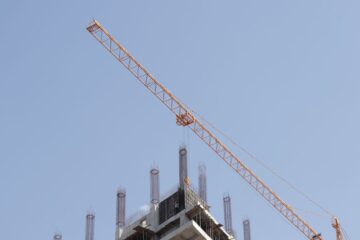
High-Rise Construction: Fast hoist speeds on tower cranes can create dangerous dynamic loads when lifting façade panels if not properly controlled.
Mining Maintenance: Lowering heavy components into deep shafts requires careful deceleration to avoid shock loading at the bottom.
Transformer Installation: Precision placement of heavy electrical equipment demands very smooth acceleration and deceleration profiles.
In each case, teams that actively manage dynamic forces achieve safer and more efficient outcomes.
Best Practices for Professional Teams
Include dynamic factor calculations in every lift plan
Specify maximum allowable hoisting speeds
Use pre-lift briefings to reinforce smooth operation techniques
Monitor and record actual performance on critical lifts
Review dynamic-related near misses during safety meetings
Invest in modern equipment with better motion control
Conclusion
Accelerations and decelerations create real, measurable additional forces that must be accounted for in every lifting calculation and operation. Ignoring dynamic effects is one of the most common causes of rigging overload and equipment failure.
By understanding the physics, applying appropriate safety factors, using smooth control techniques, and selecting suitable equipment, lifting teams can significantly reduce risk while maintaining productivity. In Australia’s safety-focused environment, managing dynamic loads is not just good practice — it is a fundamental requirement for professional, compliant operations.
Make dynamic factor consideration a standard part of your lift planning and execution process. Train your operators and riggers on smooth techniques, use modern speed-control equipment, and always document your approach. The small extra attention to dynamic forces will prevent major incidents and keep every lift under safe, controlled conditions.
Master the management of accelerations and decelerations — because in lifting, it’s not just the weight that matters, but how you move it.
*Word count: 1,136*