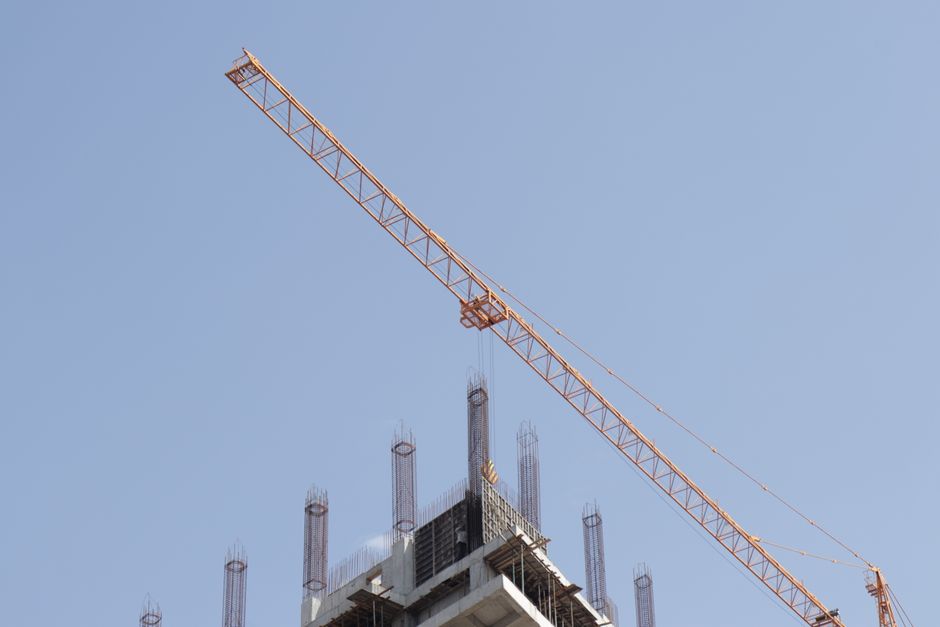
The Evolution of Tower Crane Safety Standards: 1950 to Present
Tower cranes have become an indispensable part of modern construction, enabling the rapid development of high-rise buildings and complex infrastructure. However, the safety standards governing these machines have evolved significantly over time. From basic mechanical safeguards in the mid-20th century to today’s advanced digital safety systems, the journey reflects continuous improvement driven by engineering advancements, regulatory changes, and lessons learned from incidents.
1950s–1960s: The Early Era of Tower Cranes
This era was characterized by basic mechanical designs, limited safety features, and manual operation and control. Safety focus was on structural strength and basic load limits. Safety relied heavily on operator experience and conservative design.
1970s–1980s: Introduction of Standardization
Developments included the introduction of standardized load charts, improved structural design methods, and early electronic controls. Safety improvements included defined operational limits and better documentation and procedures. This period marked the beginning of formal safety standards.
1990s: Rise of Electronic Safety Systems
Key innovations included Load Moment Indicators (LMI), electronic monitoring systems, and improved communication systems. These provided real-time load monitoring, reduced reliance on manual estimation, and enhanced operational safety.
2000s: Integration of Advanced Technologies
Advancements included anti-collision systems, remote monitoring, and improved sensor technology. Safety focus shifted toward automation of safety controls and reduction of human error.
2010s–Present: Smart and Connected Cranes
Modern features include IoT-based monitoring systems, real-time data analytics, automated shutdown systems, and advanced wind monitoring. Safety enhancements include predictive maintenance, data-driven decision-making, and enhanced situational awareness. Safety is now proactive rather than reactive.
Key Drivers of Safety Evolution
Engineering advancements with improved materials and design methods. Regulatory development with stricter safety standards and mandatory inspections. Technological innovation with sensors and digital systems. Lessons from incidents leading to continuous refinement of safety practices.
Future Trends in Tower Crane Safety
Artificial intelligence for predictive safety systems and automated decision-making. Digital twins for real-time simulation of crane behavior. Full automation with reduced human intervention and enhanced precision. Enhanced data analytics for continuous performance monitoring and improved maintenance strategies.
Conclusion
The evolution of tower crane safety standards reflects decades of progress in engineering, technology, and regulatory frameworks. From simple mechanical systems to advanced digital and automated safety solutions, each stage has contributed to safer and more efficient crane operations. Today, tower crane safety is built on a combination of robust design, advanced monitoring systems, and strict regulatory compliance. In construction, safety is not static—it evolves. And tower cranes stand as a powerful example of how continuous innovation can protect lives while enabling progress.
Keywords: tower crane safety standards, crane safety evolution, construction crane safety history, tower crane technology development, crane safety systems, load moment indicator history, crane anti collision systems, construction safety engineering, crane monitoring technology, tower crane regulations, crane safety innovation, construction equipment safety