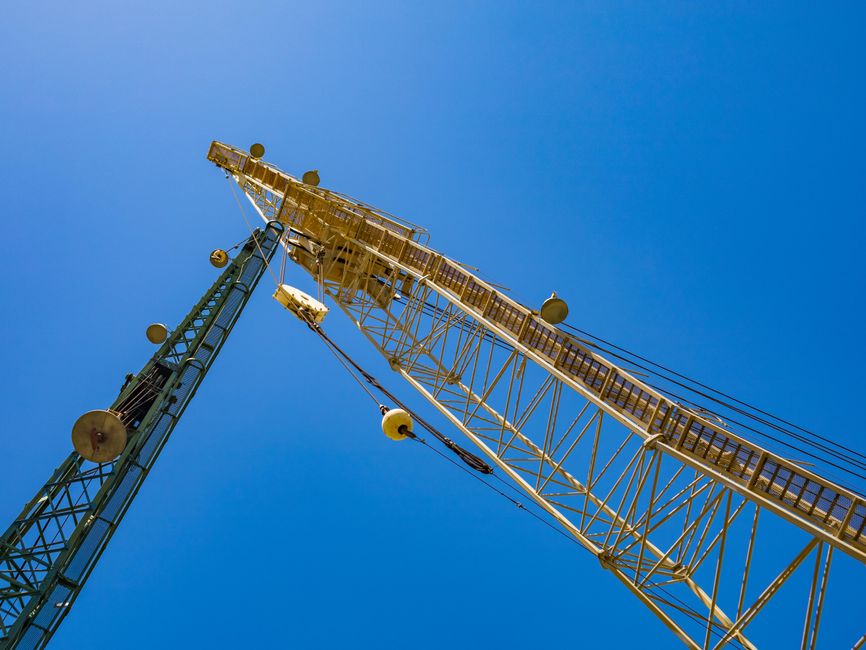
Understanding the Impact of Dynamic Loading on Crane Masts
Tower crane masts are designed to carry significant vertical and lateral loads, but in real-world operations, these loads are rarely static. Instead, cranes are constantly subjected to dynamic loading—forces that change with time due to movement, acceleration, wind, and operational conditions. Understanding how dynamic loading affects crane masts is essential for ensuring structural integrity, preventing fatigue, and maintaining safe operations.
What Is Dynamic Loading?
Dynamic loading refers to forces that vary with time, often involving motion or sudden changes. Examples in tower cranes include lifting and lowering loads, acceleration and deceleration, load swing, and wind gusts. Dynamic loads can increase stress beyond static calculations, cause vibration and oscillation, accelerate fatigue damage, and reduce structural lifespan.
Main Sources of Dynamic Loading
Load Movement and Acceleration: When lifting or lowering loads, acceleration increases effective load and deceleration creates additional forces.
Wind and Environmental Forces: Wind introduces fluctuating lateral forces, oscillation of the mast, and additional bending moments.
Slewing and Trolley Movement: Rotational movement (slewing) and trolley travel along the jib create changing load positions and dynamic forces.
Sudden Load Changes: Examples include picking up a load suddenly or load impact during lowering, creating shock loads on the mast.
Engineering Effects on Crane Masts
Dynamic loading increases stress levels (bending stress, axial stress, shear forces), causes vibration and oscillation that can damage components, leads to fatigue damage through repeated stress cycles and crack growth, and can cause deflection and stability issues affecting crane performance and safety.
Mitigation Strategies
Controlled operation (avoid sudden movements, use smooth acceleration and deceleration), wind monitoring (use anemometers, stop operations in high winds), structural design (design for dynamic loads, include safety factors), and regular inspection (monitor for fatigue cracks, check structural integrity).
Conclusion
Dynamic loading is a fundamental aspect of tower crane operation that significantly impacts mast behavior and structural integrity. By understanding these forces and implementing proper mitigation strategies, construction teams can ensure safe and efficient crane performance. In every lift, movement creates force—and managing that force is key to safe crane operation.
Keywords: tower crane dynamic loading, crane mast stress, crane fatigue analysis, dynamic load crane, crane structural analysis, tower crane safety, crane load movement, crane vibration effects, construction crane engineering, crane deflection analysis, crane dynamic forces, lifting safety analysis